Do you love the shade trees over your home? Do they change colors in the fall to brilliant fall colors. Would you like to grow your own fruit from your own fruit trees?
The materials that you will need before you can plant your container garden are planting container, potting soil, pottery shards, plants, sheet moss or mulch and saucer or tray (if the pot is going to be on a wood surface.
Place pieces of pottery that are broken into the bottom of the container so that they will cover our your drainage hold. Because doing this will help keep the soil from washing out of the drainage hold.
Next, you will need to put the potting soil in your containers bottom. After this, you will need to take your plants and figure out where you are going to place them in your container.
Put the plants where you want them to be tin the container and surround them with potting mix, their root balls should be 1/2 to 1 inch below the top of the container. After this, you will need to finish by putting the potting soil in to fill up all the space. Press down gently in place to get rid of air pockets.
Next, cover the soil with moss or mulch, whichever you choose to use and this helps with retaining moisture. Water thoroughly. Tank your container outdoors and place it in the shad for a few days, so to help with the plants being transplanting. If you are going to place your container garden on a table, you will need to put a saucer or tray beneath it. When you are interested in having a container garden, there should always have a big enough container so that there is plenty of room for all of your plant roots and you need to have good drainage so make sure you have plenty of drainage holes in your container.
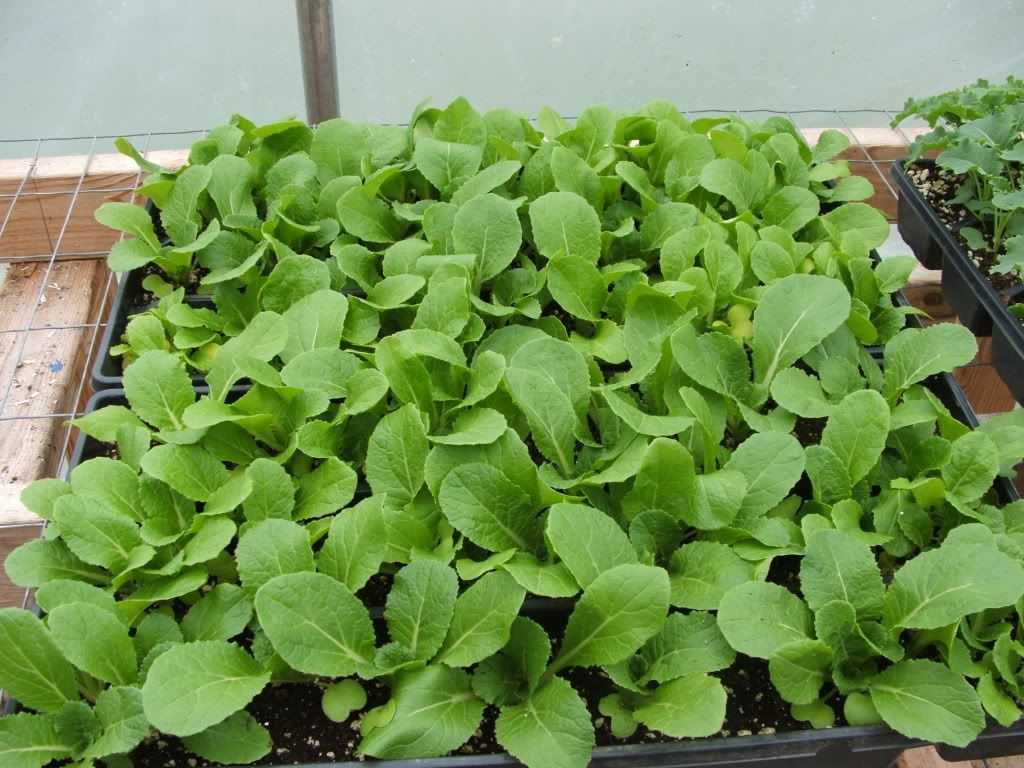
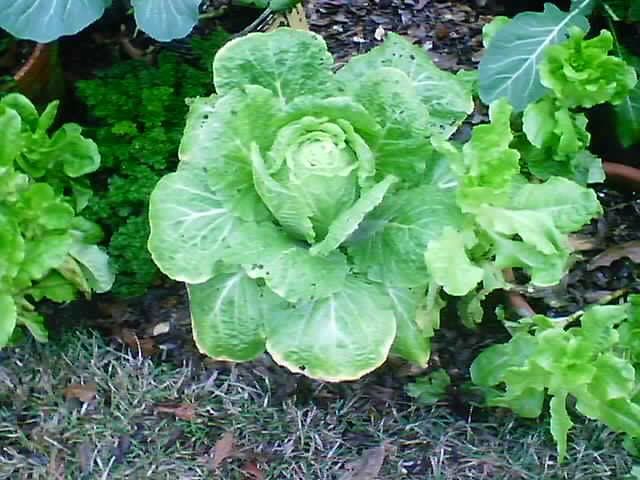
Chinese cabbage is a crop for cool weather and is usually sown after midsummer, this is when the days are shorter-for a fall crop.
If you are using seeds, sow the seeds in post about six weeks before the last frost and plant them outdoors 12 -15 inches apart just before the last frost. The sow your plants directly into your garden about 90 days before the first fall frost date. Then thin them out to 12- 15 inches apart.
When you want to plant your Chinese cabbage, your soil needs to be well-dug loaded with plenty of organic matter.
Keep your eyes on your Chinese cabbage plants for pests such as flea beetles, slugs, and cabbage caterpillars. Keep your crop over with floating row covers by using traps or barriers to protect from slugs.
The soil has to always be moist. You will always need to shadow hoe to keep the weeds down and not damage the roots. Putting organic materials down before the weather starts to warm up in late spring, this will retain some moisture, suppress weeds and keep the soil cool. The soil where you have your Chinese cabbage plants needs a high-nitrogen liquid fertilizer every other week.
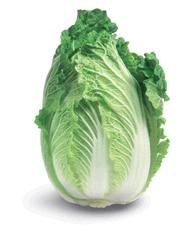
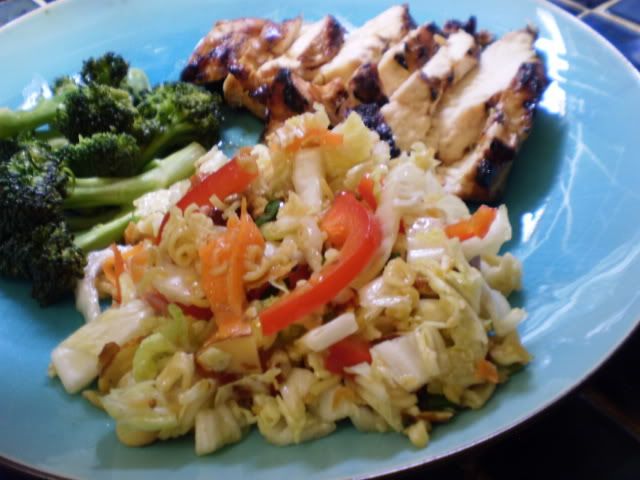
Chinese cabbage can be used at any stage, from seedling to fully formed heads. Young plants are best cooked lightly. The mature plants produce tight heads and can be used in salads or shredded and lightly cooked. When you are gathering your Chinese cabbage plants, cut the whole plant at soil level, and remove the outer leaves until you reach clean leaves that are tightly wrapped around the pale tender heart, `which is the part to eat.
Here are some different varieties of Chinese cabbage. Blues- is a quick-growing, barrel-shape cultivator, good for spring or summer sowing (55 days) Michichli- is an older cultivator with a cylindrical head up to 18 inches. Orient Express- is an older quick-maturing barrel-shaped cultivator. Two Seasons- a squat cultivator that is bolt-resistant can be sown spring or fall (65 days) Wong Bok- an older squat type about 9 inches tall, is best for a fall or winter harvest.
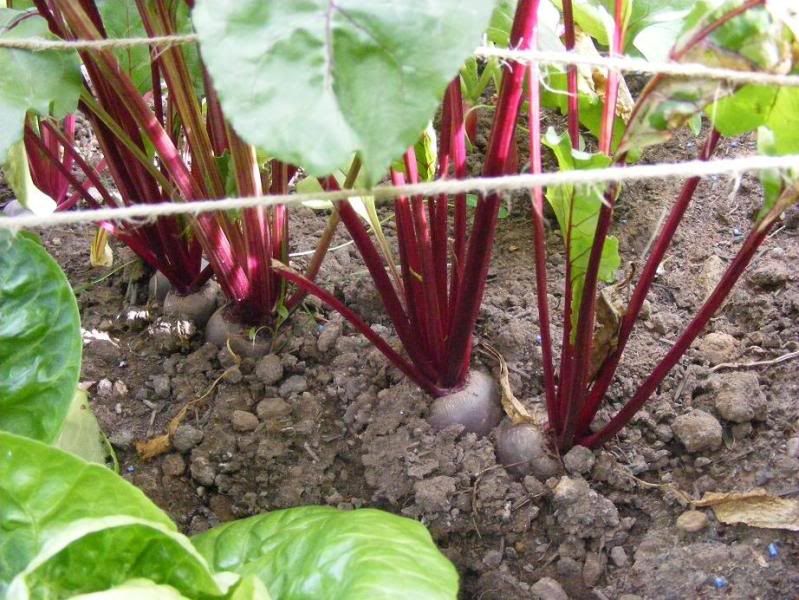
Beets can be called a multipurpose vegetables at many stages of growth. If you have seedlings that are two to three inches tall, they are a good addition to your spring salad. Now, when the greens are six to eight inches tall you can steam up a mess of greens. Do not touch the beet part because it has just stared to develop. the beets taste good by themselves when they get about an inch and a half in diameter.
To get the best tasting beets they need to be able to grow fast, so they need to have rich soil and plenty of water. Beets have a long taproot and it is best to put them in a deeper container, at least 10 to 12 inches deep, if you are going to use a container. You will need to put the seeds1/2 inch deep in the soil. The seeds needs to be planted three inches apart in the container that they will live in. the first planting can be done a month before the last frost, along with small succession plantings every two weeks. Beets like to grow in cool weather, but they do germinate best in fairly warm soil. The way to preheat your container soil is done by covering it with black plastic or by using red plastic mulch.
Each beet seed is actually a cluster of seeds, so it does not matter how carefully you are in planting them, they will come up as a clump of plants, You can thin some of the plants to give more space to the other plants, but beets are used to grow in clustered conditions, and they do fine if you do not thin them, especially if you harvest some of the crop early for greens. If you thin some of the beets, do this with scissors, clipping the unwanted plants at soil level the roots of the beet plants will be intertwined, and if you decide to thin them out you will disturb the roots of the plants that you want to save.
To eat the baby beets and greens or just the greens, you will need to just pull the plants in clumps. After the greens are no longer tasty and the beets are mature, you will need to pull the beets and trim the tops to about an inch long.
To eat the baby beets and greens or just the greens you will need to just pull the plants in clumps. After the greens are no longer tasty and the beets are mature, you will need to pull the beets and trim the tops to about on inch long. Beets are easy keepers and if they get a lot of water, they are unlikely to be bothered by pests or diseases. Beets come in many different colors such as red, golden, white and deep purple. Some of the beets when sliced open, are striped, alternation with rings of pink and white or light and dark red.
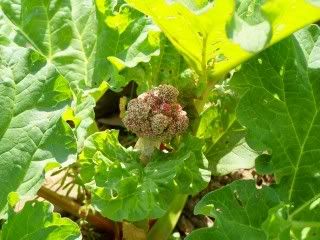
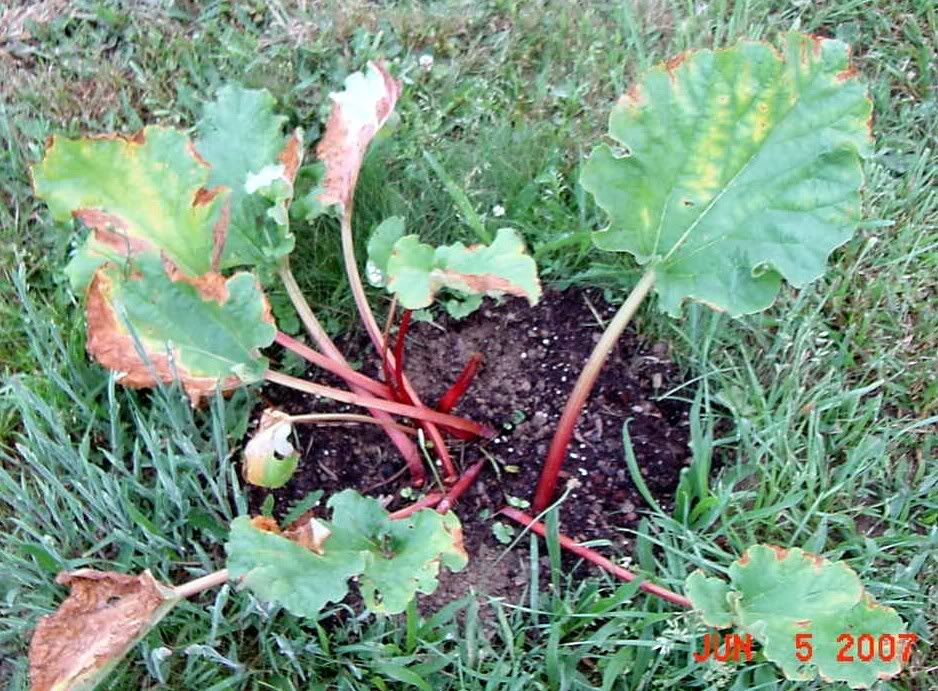
Rhubarb is a hardy vegetable that grows in the form of red or green stalks and rhubarb lasts up to 20 years.
Many people think of rhubarb as a very sour fruit, not a vegetable. It is also referred to as the "pie plant ' because that is the one most people prepare it by using plenty of sugar. Some people will add strawberries or other small fruits with the rhubarb to add an extra fruity flavor and increase the natural sweetness of the pie. Rhubarb can survive temperatures that goes as low as -20 degrees Fahrenheit. A winter temperature that drops down to 40 degrees Fahrenheit is necessary for the flower casing of the rhubarb plant to split and produce fresh growth. Rhubarb has to have a temperature of 75 degrees Fahrenheit to produce healthy vegetation. It is cultivated and grown in the northern states and also in regions that has long, cool spring season. Rhubarb grows big and it is hardy. It may grow to a size of tow feet wide and six feet tall.
If you want to grow rhubarb in your garden, you need to give it plenty of room to grow. If you let the rhubarb along, it will grow back abundantly every year for a couple of decades. Rhubarb is a perennial type of plant. Rhubarb likes to have acidic soil with a PH between 5.5 and 6.5
One of the most important elements that you can do for the growth of your rhubarb is to have plenty of sunshine, especially is you have the plants with red stalks. A whole bunch of sunshine for your rhubarb plants will ensure a more vibrant color and stronger flavor. Rhubarb has to have a whole bunch of space to grow as it matures. If you plant them close to other perennial edible-producing plants, such as asparagus, this will suit them well.
The best way to plant rhubarb is to place a ball of roots that has been split from an established plant into the ground and cover it with soil, including the crown with one bud. If you only use the seeds of its flowers, the plant may take longer to because established and produce good fruit. You will have to transplant the entire rootstock. These are the guidelines for planting rhubarb. The hole for rhubarb needs to be about two feet in diameter and one foot deep. the disease between holes should be 1 to 2 feet apart, with rows being 3 - 4 feet apart. You need to place the root ball and crown in the hold, then surround them with peat moss or composted manure. Pack the soil firmly around the roots, not around the buds. Water the crowns of the plants after you have been re-filled with soil. If your garden does not drained well, you will need to plant your rhubarb in raised beds. After you, have your rhubarb plants planted for five years, this is when you thin the plant growth by splitting the roosts and stems during the spring and transplanted them to a new bed.
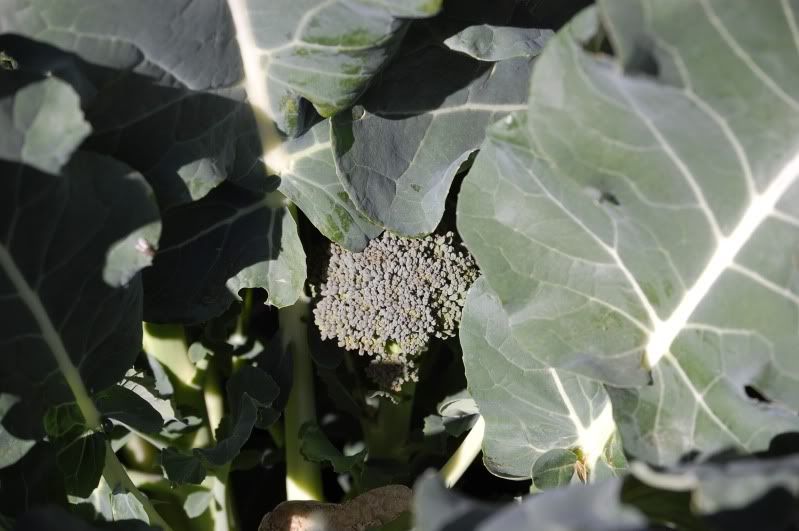
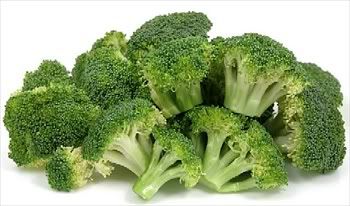
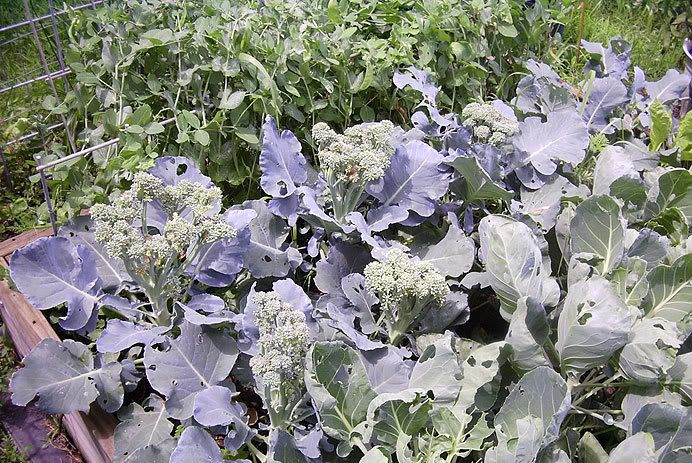
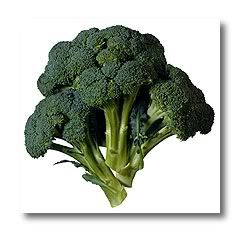
Broccoli is easy to grow and broccoli produce a good crop for a long period of time. Broccoli is a cold-tolerant plant, so this makes broccoli a very good plant to slow because you can produce a succession of heads through three seasons. There are two different relatives of broccoli that you can try and they are broccoli ralve and purple sprouting broccoli.
To raise broccoli from seeds you will need to raise the broccoli seeds indoors or you can buy transplants. Make sure that they are not root bound in the containers. The soil needs to be rich and firm with plenty of organic material or a generous dose of plant-starters fertilizer before-planting. The plants needs to be space 12 inches from each other. Put the transplants in the foil very well so the lowest leaves on the plants can just be seen. always water the transplants very well right after you plant them. When you have broccoli planted in your garden, broccoli is a magnet to all the pests that attacks all of the cabbage family. to keep them away, you will need to cover the new transplants will well-secured floating row covers. You also will need to spray the plants regularly with an organic insecticide. After the main broccoli heads starts to form, you will them need to side-dress the crop with a seed-starter fertilizer to encourage more cropping, and keep the soil moist. Always mulch all of your plants to keep moisture and keep the weds down.
When broccoli reaches full size usually 3-4 inches across you will need to cut the main head and when all the buds are still tight and green. Always wash your broccoli real good before you eat any of it. Broccoli heads should keep for a week unwashed in the refrigerator. It is also very easy to freeze if you would like to do that.
 ">
"> ">
">